
By Chad W. Shreeves
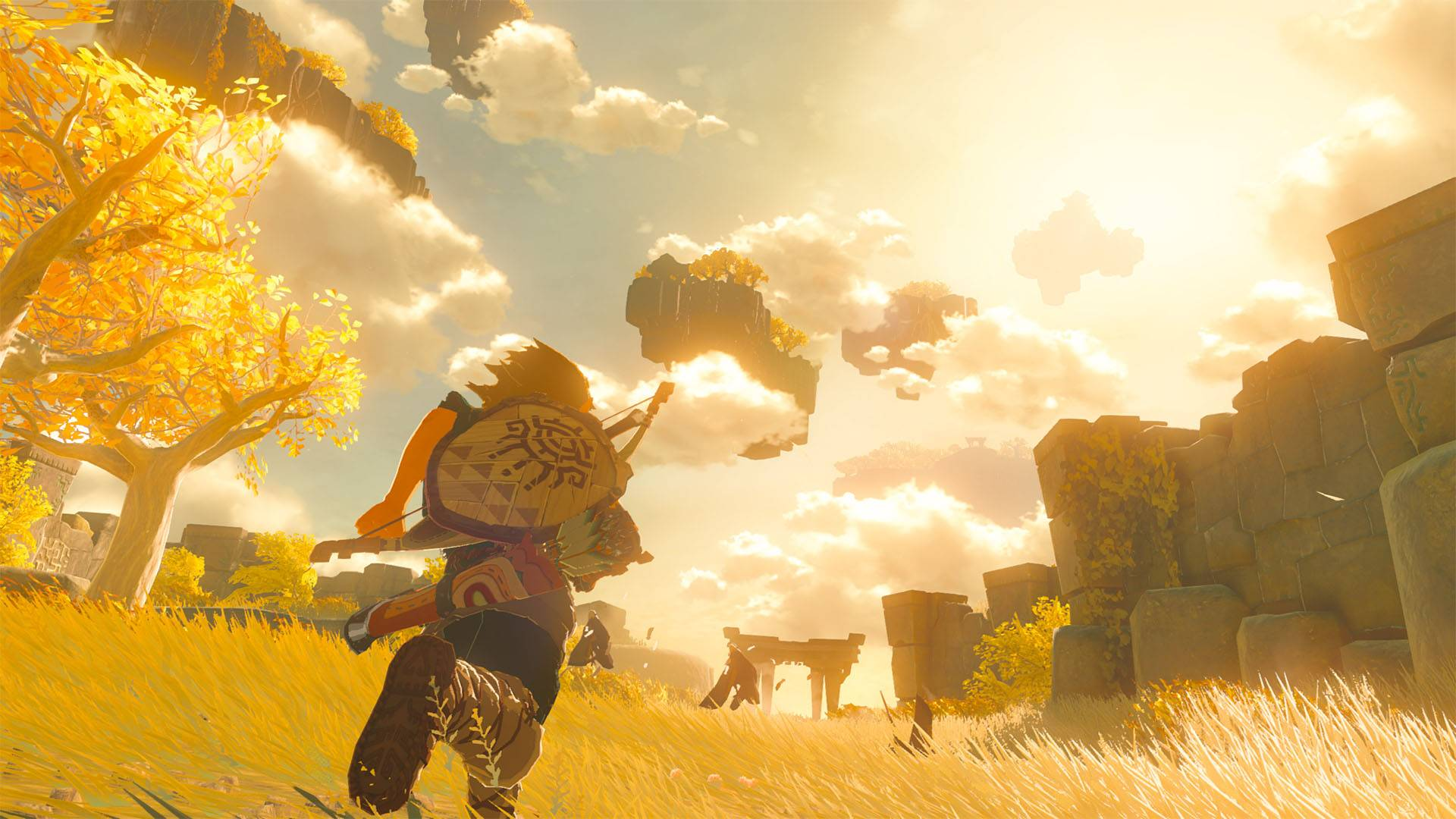
Last year, we were all treated to one of the best games of the generation with The Legend of Zelda: Tears of the Kingdom. With its open world atmosphere, addictive gameplay loop, and innovative exploration with its abilities and ultra hand mechanics. It was a brilliant stride.

But one thing stings in the months since its release. The way game development is now, the wait for the next Zelda game is a long way out. Considering that the wait between Breath of the Wild and Tears of the Kingdom was a whopping six years, that truly takes the breath of excitement over the fact that we’ll eventually have another Zelda game.
And it’s not just that franchise. All of the major big franchises we’ve loved for years have seen their development times increase over and over. What used to only be a year or two wait between sequels has now gone to 6+ years, sometimes much longer.
One of my favorite game studios is Naughty Dog, but outside of their three remasters on the PS5, they haven’t even announced their new project since 2020’s The Last of Us Part II. We know that their multiplayer expansion based on The Last of Us has been cancelled, but their single player game still hasn’t been announced which means it’s probably a minimum of 2-3 years off still.

And the list goes on and on. Yes, last month’s Final Fantasy VII Rebirth is amazing so far, but is there any point in getting excited over the third and final chapter of the Remake project when the earliest we’re likely to see it is 2028?
On top of that, we’re seeing studio output diminish. On the PS1 and PS2 we got entire trilogies. The Crash Bandicoot, Spyro the Dragon, and an entire trilogy of Final Fantasy games (with a couple of spinoffs as well!) and now we’re lucky if we get one game a console generation. I believe it’s assumed at this point that we’ll need to buy the PS6 in order to play Final Fantasy XVII.
That’s before considering the other problem with these development timeframes, there are going to be lulls in content. Just recently Sony talked about how they don’t have anything on the size of God of War or Spider-Man 2 planned for at least the next year. And with Nintendo’s Switch 2 delayed, this could mean one of the slowest holiday seasons for major game releases (now granted, once we get to things like Summer Games Fest and SDCC I may very, very well be eating my own words on this one).
One of the biggest issues of the industry right now is ballooning budgets, some of these AAA games are costing $100 million+, forcing developers to raise the prices of games to $70 (and some hints that higher costs may be on the horizon) as well as introduce wildly unpopular things such as battle passes and microtransactions just to break even on the development. And on top of that, waves of layoffs, concerns about AI encroaching into the industry, and crunch culture have really harmed the development community. I won’t deny there are concerns there that are extending times.
So that’s where the problem lies. What’s the solution? Because every possible solution I can think of has a significant downside. There’s ideas, but they all would bring their own problems and potentially even exacerbate the problems in game development as is.
Gamers today are more critical than ever, we demand our games to be as bug free as possible, as cheap as possible, and we still demand the cutting edge graphics that push these new(er) consoles and higher end gaming PCs to their limits. And as consumers who spend an ungodly amount of money on our hobby, do we deserve all of that? Yes. But we also need to be aware of the problems and solutions to the lengthy development times.
Do we make the games smaller? That doesn’t seem like it will help. With games still $60-70 each, reducing games that are 30 hours down will cause even more ire in the fandom. And unlike the golden age of MMOs, it’s not like gamers are willing to wait for future content patches. Not to mention the bestselling games lately have been games like Hogwarts Legacy, a massive 100+ hour RPG. And if they make them shorter, it’s not like the developer’s corporate overlords are going to let them reduce the prices to compensate for the smaller amount of content.

Do we hire more staff to speed up things like asset creation and programming? That’s a possibility, but the more people you hire the more expensive it gets, which means us consumers will be paying more for our games in the future. And also, typically when more people than necessary get on a project it can lead to conflicting interests and visions for the project which brings infighting among colleagues.
Or do we just have developers work faster and harder to get the games out sooner? We could, but the reality is when games get rushed that’s when we get those buggy messes that Ubisoft would be proud of. That also creates the crunch culture that is already driving so many developers to the brink.
So at the end of the day, while it is taking a while, it’s necessary to get quality games. They’ll probably work on more remasters and remakes to keep us occupied in between those big games, as well as DLC expansions for their current games (like God of War Ragnarok‘s recent DLC Pack). And that sucks, but it’s better than the alternatives. Yes we can complain, but with the hard work that game development is, we’ll need to accept it until a solution that doesn’t strain the talented devs presents itself.
The Everything Entertainment is an independent fan site dedicated to the entertainment industry. All images are copyrighted to the original owners.


Leave a Reply